Removal Services in Germany
Reliable help for homes, apartments, offices, and business moves
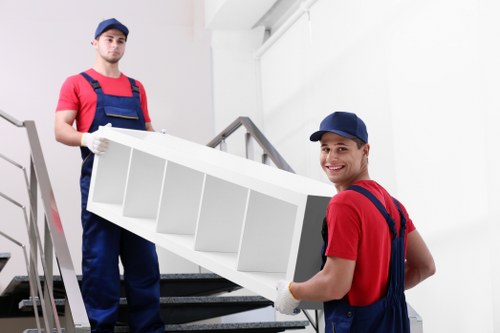
Planning a move can be exciting, but it can also feel overwhelming when you are dealing with boxes, furniture, parking restrictions, narrow staircases, and time pressure. That is exactly why Removal Services in Germany are so valuable for private customers, landlords, and commercial clients who want a move handled in a practical, organised, and stress-free way. Whether you are relocating within the same city, moving from one federal state to another, or shifting an office to a new commercial unit, a local removal team can take on the heavy lifting and the detailed coordination that makes the difference on moving day.
In many parts of Germany, moving is more complex than simply loading a van. Apartment buildings in cities like Berlin, Hamburg, Cologne, Munich, Frankfurt, Stuttgart, Düsseldorf, and Leipzig often involve shared entrances, elevators with time windows, courtyard access, and strict parking arrangements. In older neighbourhoods, stairwells can be tight, door frames can be awkward, and carrying bulky items requires careful planning. A professional removal company understands these local realities and can adapt the move to the property, the schedule, and the access conditions.
For customers, the main benefit is simple: fewer problems on the day. Instead of worrying about whether the sofa fits around the stairwell or whether the van can stop close enough to the building, you can focus on settling in. From packing support and furniture dismantling to transport and unloading, local movers offer flexible services that can be tailored to your situation. If you are looking for removal services in Germany that feel dependable and customer-focused, it helps to know exactly what is included and how the process usually works.
What professional removal services can include

Removal services are not limited to driving a van from one address to another. A good provider can support you at different stages of the move, depending on how much help you want. Some customers only need transport and loading, while others want a full service that covers packing, dismantling, delivery, and assembly at the destination. The right solution depends on the property type, the amount of furniture, the timeline, and whether the move is local, regional, or long-distance within Germany.
Common service options include house removals, apartment moves, senior moves, student moves, office relocation, and transport for bulky items such as wardrobes, beds, desks, appliances, or fitness equipment. Many local teams also help with special items that need more care, including glass tables, pianos, artwork, display cabinets, and business equipment. If required, the team can also support with packing materials, wrapping, protective blankets, and safe loading for fragile belongings.
For commercial customers, removal services are often about keeping disruption low. Businesses may need help moving desks, filing systems, shelving, IT equipment, and stock from one site to another with as little downtime as possible. In Germany, where many businesses operate in shared office buildings, industrial estates, or mixed-use properties, a well-planned relocation can save time and reduce stress for staff. A local moving company can also work around access times, lift bookings, and building rules so the move stays efficient.
Typical services customers request
- Packing and unpacking support
- Furniture dismantling and reassembly
- Loading, transport, and unloading
- Protection for fragile or valuable items
- Appliance handling and placement
- Office and commercial relocation
- Single-item or small-load transport
- Help with basements, storage rooms, and attic contents
Why local knowledge matters in Germany

One of the biggest advantages of hiring a local team for moving in Germany is their understanding of everyday access challenges. City moves often involve limited parking, one-way streets, permit requirements, pedestrian zones, and busy traffic windows. In residential areas, movers may need to navigate narrow roads or carry items through shared courtyards. In many buildings, the lift may be too small for large furniture, which means careful handling and the right equipment become essential. A team that works regularly in the local area is more likely to anticipate these issues before moving day.
This local experience is especially useful in large apartment blocks, Altbau properties, multi-storey buildings without lifts, and mixed office-residential developments. It is also helpful in suburban areas and smaller towns where access can be easier in some places but less predictable in others. A mover familiar with Germany’s property types can advise on practical steps such as reserving parking space, checking access routes, measuring staircases, and planning loading times to avoid delays.
Local removal services can also be valuable when moving between nearby districts or neighbouring towns, not just across long distances. A move from one Berlin district to another, for example, may still require careful planning because of roadworks, traffic, and building access rules. The same is true in cities like Hamburg, Munich, Frankfurt, Cologne, and Stuttgart, where road layouts and parking conditions vary widely from one area to the next. Working with a company that regularly handles removals in Germany means the team is prepared for these details.
Property types commonly served
Removal Services in Germany are often requested for:
- Flats and apartments in city centres
- Houses and townhouses in residential suburbs
- Student accommodation and shared flats
- Senior living properties
- Small businesses and offices
- Shops, clinics, and practice rooms
- Warehouses and storage units
How the moving process usually works

Most customers want a process that is straightforward, clear, and easy to follow. The best removal companies keep things simple by explaining what happens before, during, and after the move. While every job is different, a typical moving process starts with an enquiry and a discussion about the items to be moved, the property layout, and any access issues. This information helps the team estimate the time, crew size, and vehicle requirements more accurately.
After that, many customers request an on-site visit or a detailed inventory review, especially for larger house moves or office relocations. This is the stage where the team can identify stairs, lifts, parking distance, and any items that need special care. It is also the right time to mention fragile belongings, heavy furniture, or deadlines such as lease handover, end-of-tenancy cleaning, or business opening dates. The more detail the customer can provide, the smoother the move tends to be.
On moving day, the removal team usually arrives at the agreed time, protects floors and furniture where needed, and begins loading in a planned order. Items that need extra care are wrapped and secured first. Heavy items are moved with proper lifting techniques and suitable equipment. At the new address, the crew unloads, places items where requested, and may reassemble furniture if this has been arranged in advance. For customers who need extra help, unpacking support and debris removal may also be available.
What a well-organised move often looks like
- Initial enquiry and service discussion
- Review of inventory, access, and timing
- Quote preparation based on real moving needs
- Packing, dismantling, and preparation if required
- Moving day loading and transport
- Delivery, placement, and reassembly
- Final checks and completion of the move
Preparation checklist for a smoother moving day

Good preparation makes a big difference, even when you have hired professionals. The more organised you are before the movers arrive, the faster and easier the day usually becomes. That does not mean you have to do everything yourself. Instead, it means handling the practical basics that help the team work efficiently and avoid unnecessary delays. If you are booking local removal services in Germany, the checklist below is a useful starting point.
Many customers begin by sorting items into keep, donate, store, and discard categories. This reduces the volume that needs to be moved and makes unpacking easier later. It is also sensible to label boxes clearly by room and content type. For example, a box marked “kitchen - fragile†or “office files - priority†helps the team place items correctly and handle them with care. If you are moving from a flat in a busy city centre, leaving a clear path through hallways and entrances is also helpful.
Another important step is arranging building access. In some German apartment blocks, you may need to inform property management about the move, reserve the lift, or check whether parking can be secured close to the entrance. If your new or old property is in a narrow street, courtyard, or zone with access restrictions, let the removal company know early. A local mover can often advise on the best time for loading and unloading, which can save a lot of hassle on the day.
Helpful preparation checklist
- Confirm the move date and time with the removal team
- Measure large furniture and doorways where possible
- Pack non-essential items in advance
- Label boxes by room and priority
- Separate valuables and important documents
- Clear hallways, staircases, and loading areas
- Arrange parking or access permission if needed
- Disconnect appliances only if this is safe and appropriate
Customers often ask whether they need to pack everything themselves. The answer depends on the service selected. Some people prefer a full packing service, while others pack personal items and leave heavy or fragile items to the professionals. If you are unsure, request a free quote and explain the level of support you need. That makes it easier to match the service to your situation.
Pricing factors and what affects the quote
Every move is different, so pricing for removal services is usually influenced by several practical factors rather than a single fixed number. The total cost depends on the size of the move, how far items need to travel, the number of movers required, and whether special equipment or extra services are involved. This is why a detailed enquiry helps create a more accurate quote. It also helps you compare providers more fairly, because each team will know exactly what the move includes.
Distance is one of the obvious factors, but access can be just as important. A ground-floor house with easy parking is usually quicker to handle than a top-floor apartment with no lift and a long carry from the street. Likewise, moving a compact one-bedroom flat will usually take less time and manpower than relocating a large family home or a busy office with desks, archive boxes, and IT equipment. If the move takes place during peak traffic times in cities like Berlin, Hamburg, or Munich, travel time may also influence the schedule.
Other pricing factors can include packing services, furniture dismantling and reassembly, special handling for fragile items, storage requirements, and whether the move needs to happen outside normal working hours. Customers should also ask whether disposal or clearance support is available if they want to remove unwanted furniture before the move. Clear communication at the start usually leads to a more realistic quote and fewer surprises later.
Factors that may influence the final quote
- Size and volume of belongings
- Distance between pickup and delivery
- Number of floors and lift access
- Parking distance and loading conditions
- Need for packing or unpacking support
- Furniture dismantling and reassembly
- Fragile, heavy, or specialist items
- Storage or disposal needs
If you are comparing options for removal services in Germany, ask for a quote that reflects your actual moving situation rather than a rough estimate based on minimal details. That makes it much easier to choose a service that fits both your needs and your schedule.
Residential removals for flats, houses, and family moves
Residential moving is one of the most common reasons people seek help from a local removal company. Families, couples, tenants, and homeowners all have different needs, but they often share the same priority: getting everything moved safely and with as little disruption as possible. For a flat move in a city centre, the key challenge may be stairs and parking. For a family house, the main issue may be the sheer amount of furniture, boxes, and outdoor items that need to be transported.
Many customers also need flexible timing because they are balancing work, school runs, landlord handovers, and utility changes. In Germany, where many people move between districts, cities, or even between states for work or family reasons, a removal company can make the transition easier. Support may include packing up the kitchen, protecting wardrobes and beds, moving garden furniture, and handling items stored in basements, lofts, or garages.
Senior moves often need additional care and patience. The focus may be on practical organisation, gentle handling, and reducing stress throughout the process. Some households also want to move gradually rather than in one large step, especially if they are downsizing. A local team can help structure the move in a way that suits the customer, which can make a difficult transition feel much more manageable.
Useful residential move options
- Full household relocation
- Part-load or partial move
- Single-room or student move
- Downsizing support
- Furniture-only transport
- Storage transfer
Office and commercial removals across Germany
Commercial removals require planning, structure, and good timing. Businesses usually want to avoid long interruptions, so the move must be coordinated around staff availability, client appointments, and operational deadlines. Removal services in Germany can support office moves of all sizes, from small creative studios to larger corporate spaces, medical practices, retail units, and workshop facilities. The exact approach depends on the volume of equipment and how sensitive the contents are.
Office relocations often involve more than furniture. Computers, monitors, printers, documents, storage cabinets, reception desks, and specialist equipment all need careful handling. In many cases, the removal team must also consider floor protection, access rules, and the sequence in which items are moved. If a business is moving between cities, travel logistics and delivery timing become important too. A local moving company can help create a practical plan that reduces downtime and keeps the workplace organised.
For shop owners and service businesses, the move may involve stock, shelving, displays, or tools that need to be transported in a way that avoids damage. Businesses operating from shared buildings may also face specific building management requirements. In those cases, it helps to work with movers who are used to commercial jobs in Germany and understand that speed, communication, and care are all essential.
Commercial clients often need support with
- Office furniture and workstations
- IT and office equipment
- Files, archives, and document storage
- Retail fittings and shelving
- Clinic, practice, or studio contents
- Warehouse items and stock relocation
To keep the move efficient, many companies prefer a structured move plan and a clear list of items. If you are arranging a workplace relocation, book your service now so the team can review the scope and help you plan around business hours and access needs.
Areas covered and local flexibility
Local removal providers in Germany often cover a mix of city districts, suburban neighbourhoods, nearby towns, and regional routes. That is important because many customers are not only moving within one postcode; they may be relocating from central urban areas to quieter residential zones, from a smaller town to a larger city, or between business locations in different districts. A flexible team can adapt to the reality of the move rather than forcing a one-size-fits-all process.
Coverage commonly includes central and outer areas of major cities such as Berlin, Hamburg, Munich, Cologne, Frankfurt, Stuttgart, Düsseldorf, Dortmund, Bremen, Hanover, Leipzig, Dresden, and Nuremberg, as well as surrounding areas and commuter towns. The exact locations served depend on the company, but a local focus usually means better knowledge of roads, parking, and building access. That can make a noticeable difference when timing is tight or access is difficult.
Customers often appreciate this flexibility because it helps with short-notice changes, coordinated multi-stop moves, and moves involving storage or second properties. If you need help moving from a city apartment to a suburban house, from a home to a storage unit, or from one office to another nearby district, it is useful to choose a company that handles both small local removals and larger relocation projects. Contact us today to discuss the route, the property types, and the support you need.
Situations where local support helps most
- Time-sensitive moves with tight handover dates
- Buildings with lifts, stairs, or access restrictions
- Moves in busy inner-city streets
- Relocations requiring parking coordination
- Partial moves to storage or between addresses
- Commercial moves needing minimal downtime
Why choose a local removal company instead of handling everything alone
Many people consider doing the move themselves, especially if they only have a small flat or a limited budget. But once you factor in van hire, fuel, lifting risk, time pressure, parking, and the need for friends or family to help, a DIY move can become more difficult than expected. A local removal company brings the right vehicle, trained staff, and practical experience to reduce those complications. For many customers, that makes the move more efficient and much less physically demanding.
A professional team can also help protect your belongings. Furniture can be wrapped, glass items secured, and heavy objects handled with appropriate care. Instead of trying to move a wardrobe down a narrow staircase with limited help, trained movers use the right technique and equipment to reduce the chance of damage. This is especially valuable in Germany’s older residential buildings, where stairwells and landings may not be designed for large modern furniture.
Another important reason to choose a local company is responsiveness. If the moving plan changes, or if you discover an extra load at the last minute, a nearby team may be better placed to adapt. That can be particularly helpful for customers who are managing lease deadlines, business relocations, or moving day complications. When you want a move to run smoothly, practical local knowledge is often just as important as manpower.
Benefits customers usually value
- Less physical strain and lifting risk
- Better handling of bulky or fragile items
- Faster loading and unloading
- Useful advice on access and parking
- Flexible support for homes and businesses
- More organised moving day planning
Frequently asked questions
Do I need to pack everything myself?
Not necessarily. Some customers only want transport, while others want full packing help. It depends on the service you choose and how much assistance you want.
Can movers handle apartments without lifts?
Yes, many removal services in Germany regularly work in buildings without lifts. It is important to mention the number of floors and stair access early so the team can plan correctly.
What if my street has limited parking?
That is common in many German cities. Let the removal company know in advance so they can plan the vehicle access and loading time. In some cases, extra coordination may be needed.
Do you move offices and commercial premises?
Yes, many local teams provide office and business relocation services, including desks, IT equipment, files, and fittings. This is often planned around business hours and access needs.
Can I request help with only a few large items?
Yes. Small moves and single-item transport are often available, including beds, sofas, cabinets, appliances, and other bulky items.
How far in advance should I book?
It is best to book as early as possible, especially at month-end, during peak moving seasons, or if your move involves complex access. However, some teams may also handle short-notice requests if availability allows.
What should I do before the movers arrive?
Label boxes, clear pathways, separate important documents, confirm access, and keep essentials aside for the first day in your new home or office.
Ready to move?
If you are comparing Removal Services in Germany and want a team that understands local property types, access issues, and practical moving-day demands, now is the right time to take the next step. Whether you are relocating a home, apartment, office, or commercial unit, professional support can make the whole process simpler and more controlled.
Request a free quote today, or book your service now to get your move planned with confidence. If you are unsure what level of help you need, a quick discussion about your inventory, location, and timing is usually the best place to start.