Home Moves in Germany
Moving Home in Germany with a Local Team That Understands Real-Life Challenges

Home moves in Germany can feel straightforward on paper, but anyone who has moved within a German city, across a federal state, or into a new apartment block knows that the reality is often more detailed than expected. From narrow stairwells in older Altbau buildings to lift restrictions in modern apartment complexes, from parking limits in city centres to loading zones that need careful timing, a successful move depends on preparation, timing, and people who know how local properties work.
Whether you are relocating from a compact city flat, a family house in the suburbs, or a larger property that includes storage, furniture disassembly, and multiple stops, choosing a reliable moving service can make the difference between a stressful day and an organised one. A local team handling home moves in Germany understands not only the transport side of the job but also the practical details that matter to households here: access routes, staircases, elevator reservations, resident permits, and the busy schedules that often come with moving in major German towns and nearby areas.
For private households, tenants, homeowners, landlords, and even small home-based businesses, the best moving support is the kind that combines care with efficiency. That means planning around your building, your street, and your timetable rather than using a one-size-fits-all approach. If you are preparing to move soon, it is worth arranging a quote early so you can organise the details calmly and avoid last-minute pressure. Request a free quote when you are ready to compare your options and see what support makes sense for your move.
What Home Moving Services Usually Include

Every move is different, but a professional home moving service in Germany usually covers a combination of packing support, loading, transport, unloading, and furniture handling. The exact scope depends on the property type, the amount of furniture, whether access is easy, and whether you need help with fragile or bulky items such as wardrobes, sofas, washing machines, beds, and boxed household goods.
For many customers, the most helpful service is not just the vehicle on moving day, but the complete structure around it. That may include planning the route, confirming parking arrangements, protecting floors and door frames, and disassembling furniture so it can be moved safely through tight spaces. In Germany, where many flats are reached by staircases with multiple landings or where inner-city streets can be restricted at certain times, these small details can save a great deal of time and stress.
A well-prepared move can also include assistance with loading heavier items in a way that protects both the furniture and the building. This is particularly relevant in apartment blocks, terraced homes, and shared residential buildings where neighbours, stair space, and common areas need to be considered. Careful handling, practical planning, and punctual arrival are all part of the value customers look for when booking a local moving team.
Common services requested by households and small businesses
- Home packing and unpacking support
- Furniture dismantling and reassembly
- Loading and unloading heavy or awkward items
- Transport for full household or partial moves
- Protection for floors, walls, and doorways
- Short-distance and long-distance relocations
- Storage transport for items not moving in immediately
- Removal of unwanted items as part of the move, where arranged
Some customers only need help with the largest items; others want a full moving day team to manage the whole process from start to finish. A flexible provider can adapt to either situation, which is especially useful for people moving from furnished to unfurnished accommodation, or for those relocating between cities such as Berlin, Hamburg, Munich, Cologne, Frankfurt, Stuttgart, Düsseldorf, Leipzig, or into surrounding districts and commuter towns.
Why Local Knowledge Matters for Moves Across Germany

Germany offers a wide mix of property types, and each creates its own moving challenges. In city centres, parking space may be limited and apartment access can be awkward. In older neighbourhoods, staircases may be narrow and landings small. In newer developments, lift access may be available but only if you reserve it in advance and keep to building rules. In suburban houses or semi-detached homes, the issue may be long driveways, garden access, or carrying furniture from a storage area.
This is why local knowledge is so useful. A moving team that understands the area can estimate how long loading will take, what type of vehicle is suitable, where parking is likely to be possible, and whether special precautions are needed for large items. In many German towns and cities, parking permits, temporary stopping restrictions, and time-sensitive access windows can be important. If your building is on a busy street or in a pedestrian-heavy zone, having a team that knows how to plan around it can prevent delay.
Local experience also helps with practical coordination for residential and commercial customers. A family moving into a new house may need help around school runs and work hours. A small business relocating home office equipment may need the move completed quickly and with minimal disruption. A retired customer may want careful, patient handling and clear communication. These are not minor details—they are part of what makes a move feel manageable.
Examples of local move situations
- Moving from a fifth-floor apartment without a lift
- Relocating from a house with a garage, loft, and garden furniture
- Transporting home office equipment for hybrid workers
- Moving between rental flats with short handover deadlines
- Handling access restrictions in older inner-city streets
- Coordinating moves in shared buildings with time limits for noise and loading
When a move is planned well, the journey becomes much easier. That is especially true in Germany, where building rules, traffic patterns, and municipal parking conditions can vary significantly from one neighbourhood to the next. If you want to keep control of the day, it is worth choosing a moving partner that understands those differences and can prepare accordingly.
Who Uses Home Moves in Germany?
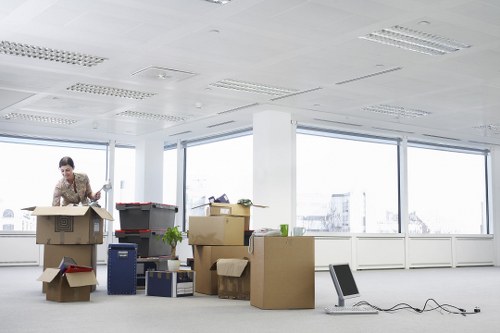
Home moves in Germany are not only for families moving house. The service is useful for a broad range of customers, each with different needs and timelines. Some people are moving for work, others are downsizing, combining households, or relocating after a property purchase or rental change. Others need support for part of a move, such as transporting furniture after buying a new place or moving items from storage into a new apartment.
Private customers often want a service that feels respectful and efficient. They may have fragile kitchenware, family furniture, artwork, electronics, or personal items that require careful packing. Commercial customers working from home may need desks, chairs, printers, files, and computer equipment moved with care, especially if they need to be ready to work again quickly. A good local moving service can support both types of move without making the process feel complicated.
Large homes, small flats, shared accommodation, and multi-stop relocations all benefit from a structured approach. If you are combining two households, clearing a property after a tenancy, or moving into temporary accommodation while a renovation is completed, clear planning becomes even more important. Moving is rarely just about boxes; it is about keeping your day organised while a major change takes place.
Typical customer groups
- Tenants moving between apartments
- Homeowners relocating to a new property
- Families needing full household support
- Older residents who want practical assistance
- Students moving into shared accommodation
- Remote workers setting up a new home office
- Landlords or property managers arranging tenant transitions
- Small business owners moving home-based equipment
For many of these customers, a move is time-sensitive. Keys may need to be handed over on a specific day. Furniture may need to be placed before new appliances arrive. Access may only be available during a set period. A local moving company can coordinate around these realities and help the day run smoothly.
What to Expect on Moving Day
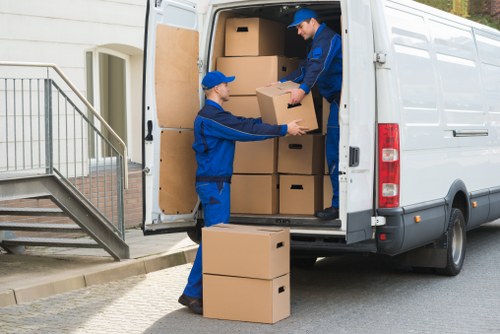
The best moving days begin with clear communication and sensible preparation. A reliable team arrives with the right vehicle, moving equipment, and a practical plan based on your property and the items being transported. If access is tight, they know to be efficient from the moment they arrive. If there are stairs, long corridors, or heavy furniture, they know how to work safely and methodically.
On the day itself, the move normally starts with an overview of the property. The team identifies the biggest or most delicate items, checks which boxes are ready, and confirms what needs to be loaded first. If furniture has been dismantled, it is organised for transport. If packing was completed the previous day, items can be handled more quickly. The aim is to move steadily without causing unnecessary disruption to your home or building.
Once the load is secure, the transport stage becomes straightforward. The real benefit of professional help is not simply lifting boxes; it is the ability to keep the whole process organised so items arrive in the correct condition and can be unloaded in the right order. That matters even more in Germany, where many households need to move efficiently between apartments, shared parking areas, and busy streets.
How a well-managed moving day usually works
- Initial walk-through and confirmation of access points
- Protection of sensitive surfaces where needed
- Loading boxes, furniture, and appliances in a safe order
- Transport to the new address or addresses
- Unloading and placement of items in the correct rooms
- Reassembly of agreed furniture items
- Final check to make sure nothing has been overlooked
If your move includes several stops, the team can usually coordinate them in sequence. This is useful when you are collecting items from a storage unit, dropping furniture to a family member, or moving into a home while a few items are still being prepared elsewhere. Book your service now if you want a moving day that feels organised from the beginning.
How to Prepare for a Home Move in Germany
Preparation is one of the most important parts of a successful relocation. Even when you are using a professional moving team, there are simple steps that help save time and reduce stress. The goal is not to do everything yourself, but to make the move more efficient and easier to manage. In Germany, where apartment layouts, stair access, and local parking conditions can vary so much, small preparation steps can make a big difference.
Start by sorting your belongings into what is moving, what is being stored, and what is no longer needed. This helps reduce unnecessary transport and keeps the new home less cluttered on arrival. Then label boxes clearly by room and, if useful, by priority. Customers often find it helpful to mark fragile items separately and keep essential items—such as documents, chargers, medication, and a small set of kitchen basics—packed in an easy-to-reach bag.
It is also wise to check practical matters early. Does the building need a lift reservation? Is the street narrow or likely to have limited parking? Will a parking space need to be reserved for the vehicle? Are there shared building rules around moving hours? These details matter because they affect the speed and ease of the day. A local mover may be able to advise you on what is usually required in your area.
Preparation checklist for customers
- Declutter rooms before packing
- Label boxes by room and priority
- Separate fragile items and valuables
- Empty and defrost appliances if needed
- Keep important documents with you
- Confirm lift and parking arrangements
- Measure doorways, staircases, and large furniture
- Arrange pet care or childcare if the day will be busy
- Set aside cleaning supplies for after the move
You do not need to finish everything at once. Many customers prepare over several days or weeks, especially for larger homes. If you are moving from a family house, a top-floor flat, or a property with many stored items, the earlier you begin, the easier it becomes to stay calm and organised.
Pricing Factors for Home Moves in Germany
Customers often want to know what affects the cost of a move, even if exact prices are only possible after assessing the job. In Germany, moving costs usually depend on several practical factors rather than a single fixed rate. The size of the property, the amount of furniture, access conditions, distance travelled, and any additional tasks all play a role.
For example, a one-bedroom apartment move with easy access will normally take less time and labour than a larger family home with stairs, narrow access, and heavy items. A move within the same city may be simpler than a long-distance relocation between regions. If packing, dismantling, or reassembly is required, that also affects the scope of work. Special items such as pianos, safes, very large wardrobes, or delicate electronics may require extra care and planning.
Because every household is different, a tailored quote is usually the best way to understand the service properly. A local company can consider the route, the property type, the number of floors, and the practical effort involved. That is far more useful than a generic estimate that does not reflect your real situation. If you want to keep the budget under control, the best approach is to describe the move clearly and request a detailed quote based on the actual work needed.
Factors that may influence the final quote
- Volume of furniture and boxes
- Distance between old and new addresses
- Number of floors and lift availability
- Parking access and loading distance
- Need for packing materials or packing labour
- Dismantling and reassembly requirements
- Heavy, fragile, or awkward items
- Multiple pick-up or drop-off points
Being honest about the amount of work helps everyone. If you underestimate the load, moving day can become slower than planned. If you provide clear information at the quoting stage, the service can be matched more closely to your needs. Request a free quote when you are ready to compare options and plan the move properly.
Why Choose a Local Company for Home Moves in Germany?
Choosing a local mover means choosing a team that understands the conditions you are likely to face. In a country as varied as Germany, that matters more than people sometimes expect. City moves, suburban relocations, and moves into rural areas all have different challenges. Local teams are often better positioned to plan around traffic patterns, building layouts, and access restrictions that can affect moving time and safety.
A local company can also be more responsive when your plans change. If your completion date shifts, if your lease handover changes, or if you need to coordinate around a school holiday or work schedule, a nearby team may be easier to work with. For many customers, that flexibility is just as valuable as the transport itself. The service feels more personal and more practical because it is built around local conditions rather than a distant, generic process.
There is also an advantage in communication. When you deal with people who regularly move households in your area, they are more likely to understand the difference between a quiet residential street and a busy commercial road, or the difference between an old building with strict access rules and a modern block with reserved loading areas. This local understanding helps prevent unnecessary complications.
Benefits customers often value most
- Better understanding of local streets, parking, and building access
- More practical planning for apartments, houses, and mixed-use properties
- Faster response times and easier scheduling
- Adaptability for short-notice changes where possible
- Experienced handling of common German property layouts
- Support for both private and commercial relocation needs
If you are moving in or around Germany and want the job handled with care and local awareness, choosing a team that does this work regularly can save both time and hassle. Contact us today to discuss your moving requirements and see how the service can be arranged around your property and schedule.
Areas Covered and Typical Move Routes
Home moves in Germany often involve more than just a single city-centre address. Customers regularly move between neighbourhoods, commuter towns, regional centres, and nearby villages. Others relocate between different federal states or along well-travelled routes linking business hubs and residential districts. A good moving service should be able to handle local moves as well as longer routes with the same level of care.
Common move types include apartment-to-apartment relocations, house-to-house moves, and partial moves involving storage, garages, basements, or home offices. Some customers are moving within large cities such as Berlin, Hamburg, Munich, Cologne, Frankfurt, Stuttgart, Düsseldorf, or Leipzig. Others are moving into surrounding towns, suburban districts, or smaller communities nearby. The key is to work with a team that can adapt to both urban and regional access conditions.
In practical terms, coverage usually matters because the move is easier when the team already understands the route and the likely obstacles. For example, central districts may require careful timing and parking coordination, while suburban properties may involve longer carrying distances from the vehicle to the entrance. Either way, the right team can plan ahead and keep the move efficient.
Examples of typical areas and routes
- Inner-city apartment moves
- Suburban family home relocations
- Moves between nearby towns and commuter areas
- Regional relocations across federal state boundaries
- Student and shared-flat moves near universities
- Home office relocations within residential districts
When you enquire, it helps to share both postcodes and any access details you already know. That allows the moving team to plan the vehicle size, labour required, and route more accurately. Book your service now if you are ready to secure your moving date and start planning the details.
FAQs About Home Moves in Germany
Many people have similar questions before booking a move, especially if they have not relocated in Germany before or if they are moving into a property with unusual access. The answers below reflect the kinds of practical questions local customers often ask when they are preparing for a home move.
Can a moving team help with both flats and houses?
Yes. A professional team can support flat moves, house moves, and mixed-property relocations. The approach may differ depending on stairs, lift access, parking, and the amount of furniture, but the service can be adapted to either setting.
Do I need to pack everything myself?
Not necessarily. Some customers prefer full packing support, while others pack personal items themselves and ask for help with loading, transport, and furniture handling. The most suitable option depends on your schedule, your budget, and how much work you want to do in advance.
What if my building has no lift?
No-lift moves are very common in Germany, especially in older buildings. They can still be managed efficiently with the right preparation and the correct number of helpers. It is important to mention this during the quote stage so the move is planned realistically.
Can you move large or heavy items?
Yes, but large items should always be declared in advance. Wardrobes, beds, sofas, appliances, and other heavy objects may need dismantling, protective wrapping, or additional handling time. Special items should be discussed early so the team can prepare properly.
How far in advance should I book?
As early as possible is usually best, especially if you are moving at the end of a month, during busy periods, or around holiday dates. That said, short-notice moves can sometimes be arranged depending on availability. If your date is fixed, it is sensible to enquire as soon as you can.
Can I arrange a move with storage involved?
Yes. Some customers need items moved into storage before the new home is ready, or they want a few things collected later from a storage unit. Multi-stage moves can usually be organised as long as the details are clear from the outset.
Is a local moving company useful for commercial or home-office equipment?
Absolutely. Many households in Germany now include work-from-home setups, and those items need careful transport too. Desks, monitors, printers, filing cabinets, and IT equipment should be handled carefully and packed in a way that reduces disruption.
Still have questions? It is always better to ask early than to leave important details until moving day. Clear information helps the service match your needs and keeps the process smoother from beginning to end.
Ready to Plan Your Move?
Whether you are moving from a city apartment, a family home, or a property that needs careful access planning, a professional local service can make a major difference. The right support saves time, reduces stress, and helps protect your belongings throughout the process. It also means you are not left trying to manage stairs, parking, transport, and furniture handling all at once.
For anyone comparing home moves in Germany, the most useful next step is to get clear information about what is included and how the move will be handled. Think about the size of the property, the furniture you need to move, the access conditions, and whether you want help with packing or dismantling. Once those details are clear, it becomes much easier to choose the right service.
If your move is coming up soon, do not wait until the last moment. Contact us today to discuss your moving needs, request a free quote, and arrange a practical service that fits your home, your schedule, and your location. Book your service now and take the first step toward a smoother move.